
Discover biodiversity efforts, habitat restoration, species protection and community involvement.
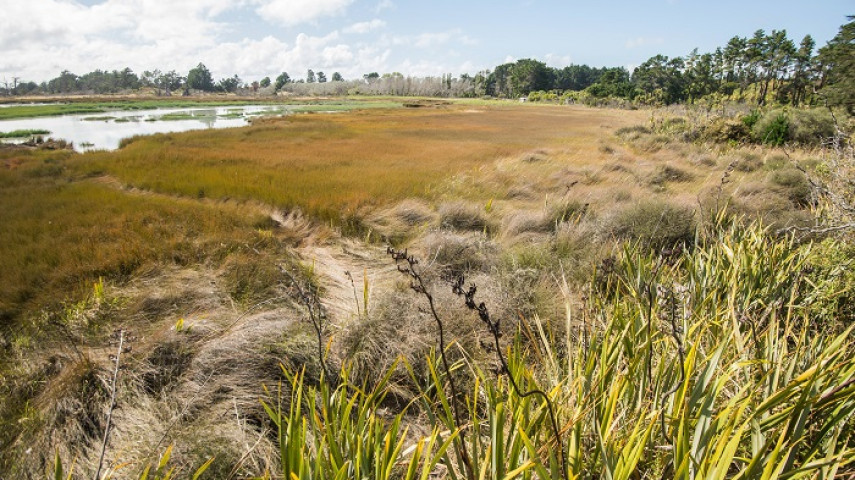
We protect open space, landscape and biodiversity through parks and reserves, covenants, sites of ecological significance, consents, land, waterways and coastal restoration programmes.
There is a growing awareness of the need to maintain our biodiversity, and we have an active programme of protection and restoration to address this need.
In the Biodiversity Strategy the Council has set about to protect, maintain and restore our natural environment with the help of organisations, groups and individuals ensuring our environment and natural resources are here not only for us but for our children and future generations.
Looking for financial assistance with fencing, planting or pest plant and animal control, then you may like to consider applying to the Christchurch City Council Biodiversity Fund.
Christchurch City Council Biodiversity Fund
The Christchurch City Council Biodiversity Fund is designed to support and encourage initiatives that protect and enhance indigenous biodiversity on the Christchurch Plains, Port Hills and Banks Peninsula.
Projects must be on private land, and sites must meet the criteria for ecological significance. The Council can provide more information on whether a site is likely to meet criteria, and may be able to provide an assessment by a professional ecologist.
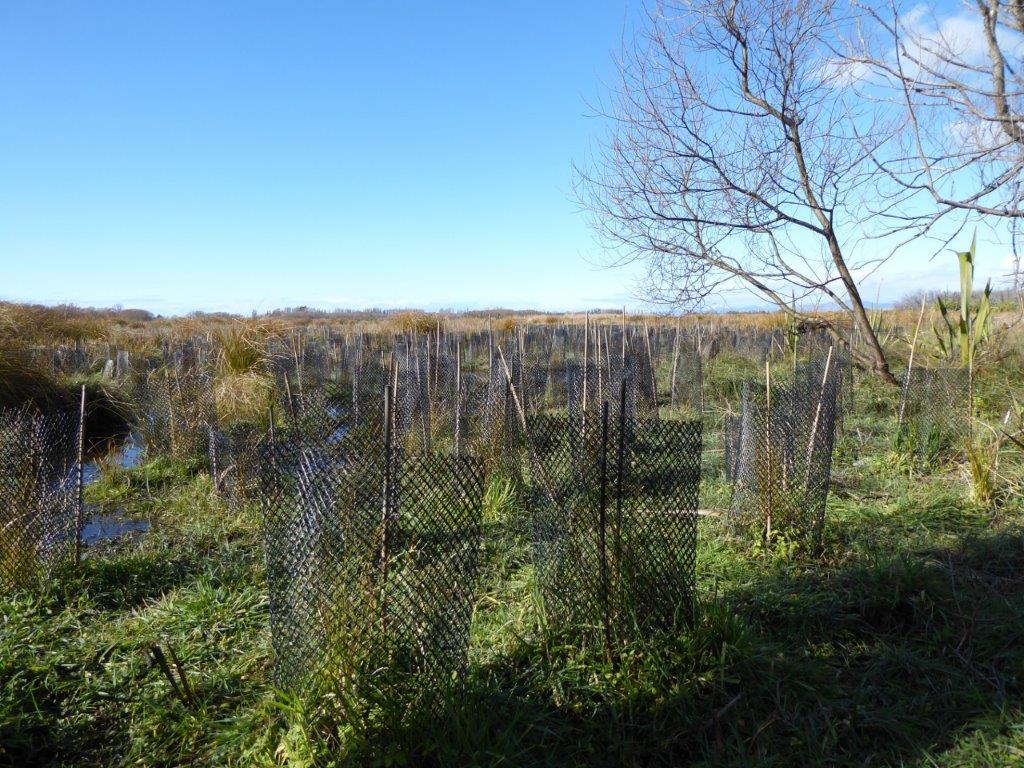
Native planting, Travis wetland
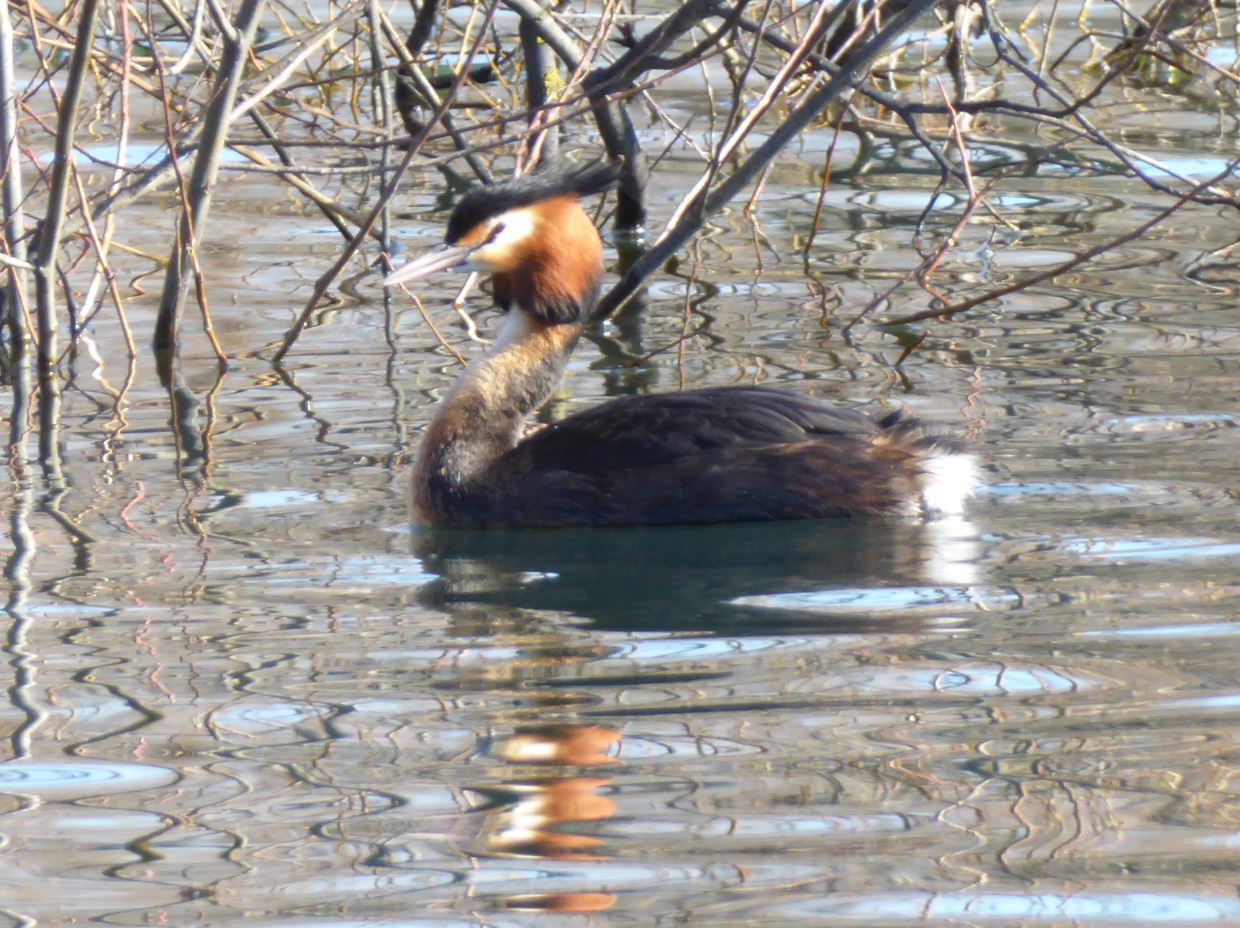
Crested Grebe, Podiceps cristatus
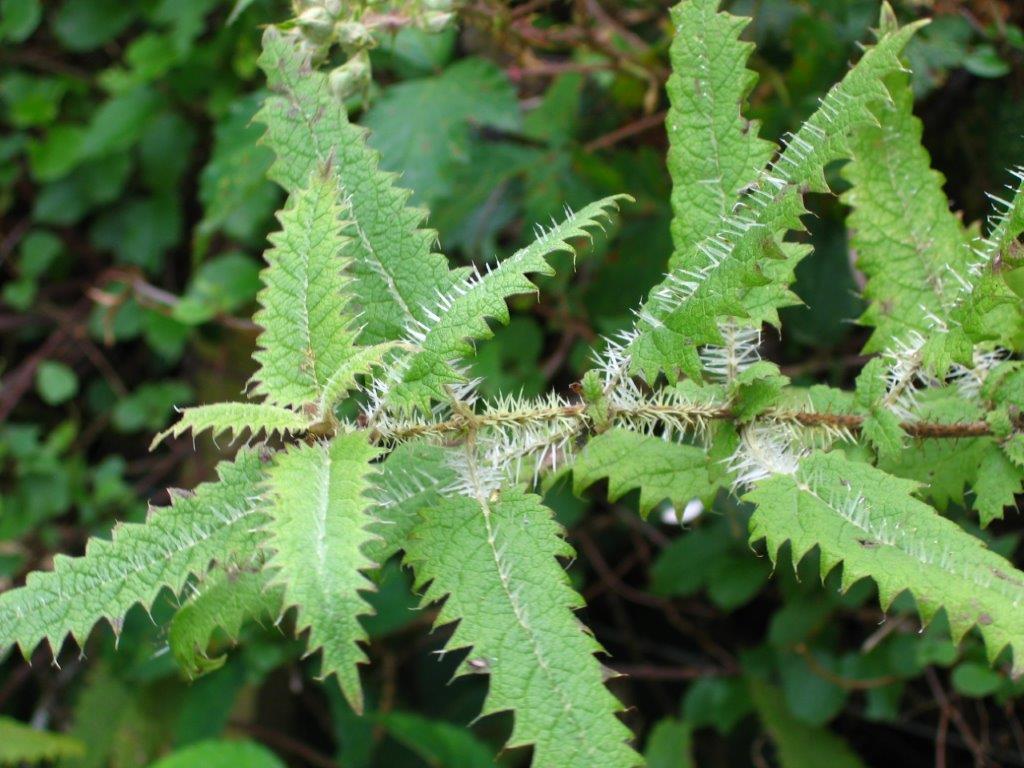
Ongaonga, native nettle Urtica ferox
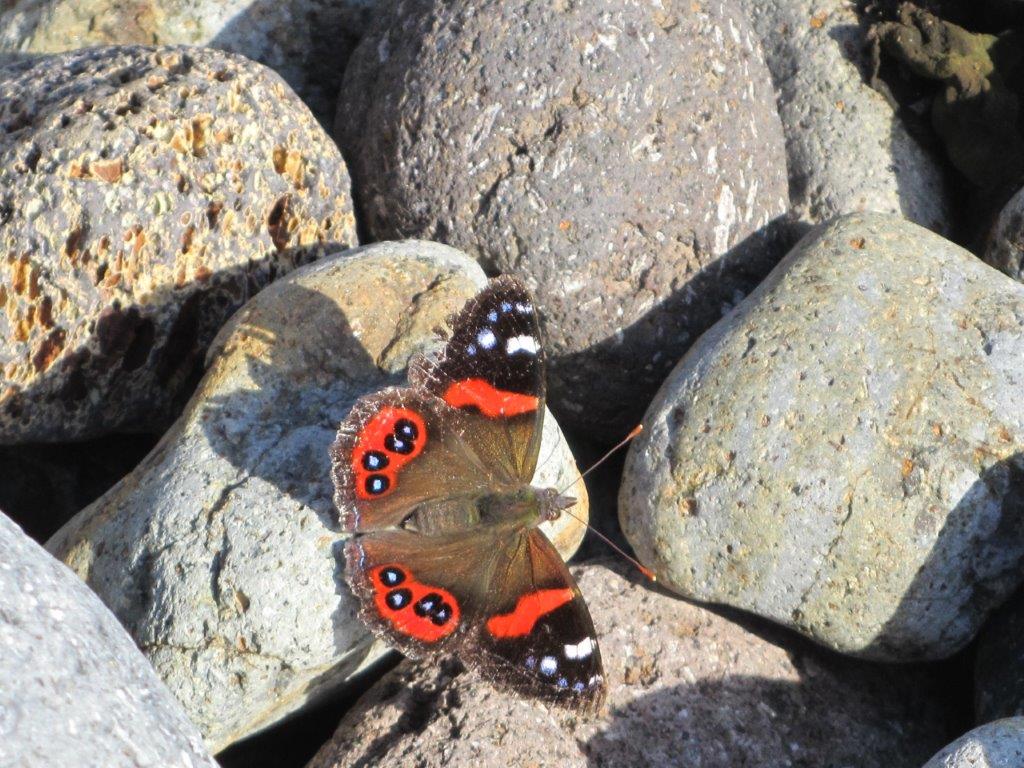
Native red admiral butterfly Vanessa gonerilla
Other organisations that fund biodiversity projects
The list is not complete, so if your organisation can fund biodiversity projects for landowners or community groups, and you would like to be listed here, please contact us.
- DOC - Community Fund(external link)
- Environment Canterbury biodiversity funding(external link)
- JS Watson Conservation Trust(external link)
- Mātauranga Kura Taiao Fund(external link)
- Nature Heritage Fund(external link)
- Ngāi Tahu Fund(external link)
- Ngā Whenua Rāhui Fund(external link)
- NZ Game Bird Habitat Trust(external link)
- One Billion Trees Fund(external link)
- Rātā Foundation(external link)
- Trees That Count(external link)
- WWF Community Funding(external link)

Pest plants and animals must be controlled to protect our native plants and animals (biodiversity).
To bring back native birds, animals and plants into your garden, neighbourhood and city.
You can
- Dispose of your garden waste in the green bin
- Get advice from pet shops, the SPCA, the Council or ECAN for what to do with unwanted pets
- Identify pest animals in your garden
- Plant native species in your garden as these shade out weeds
- Use the ecosystem map to find out what native plants are best suited to your area
- Identify and control pest plants
- Control pest animals
- Improve biodiversity in your backyard
- Make sure that what you buy or sell plants from a nursery or pets from a pet shop is legally operating
- Make a submission on the Canterbury Regional Pest Management Plan(external link)
- Be informed about Ministry of Primary Industries biosecurity alerts(external link)
- Have fun at parks events - Volunteer on Council parks
- Restore a stream - Streamside Planting [PDF, 887 KB]
- Plant natives in your garden(external link)

A site of ecological significance is an area that has been assessed for its high biodiversity value.
There is no requirement from landowners to fence or provide public access.
The area may be subject to rules in the District Plan that require consent.
Contact the Christchurch City Council Duty Planner.
A covenant is a voluntary legally binding protection agreement that is registered on the title of the land that binds the current and all future landowners.
The Christchurch City Council, QEII National Trust, Department of Conservation and Banks Peninsula Conservation Trust can covenant land. A covenant means you can access funding to help with survey, legal and fencing costs.
- QEII National Trust(external link)
- Banks Peninsula Conservation Trust(external link)
- Department of Conservation Legal protection(external link)
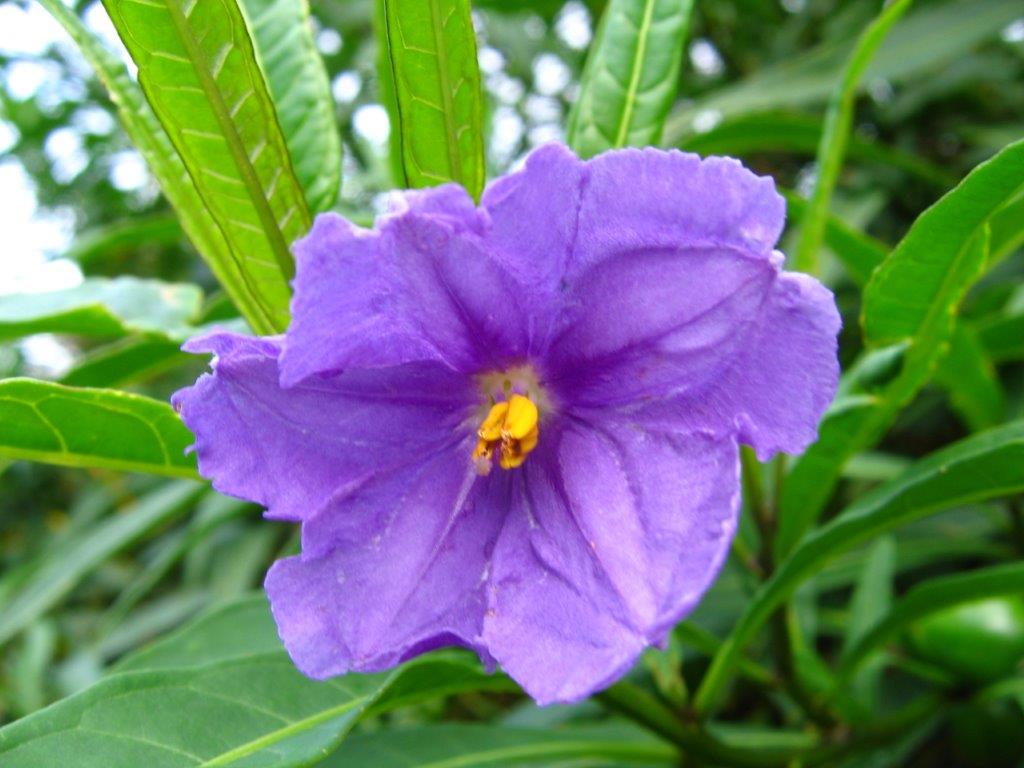
Spectacular blooms, Poroporo, Solanum aviculare
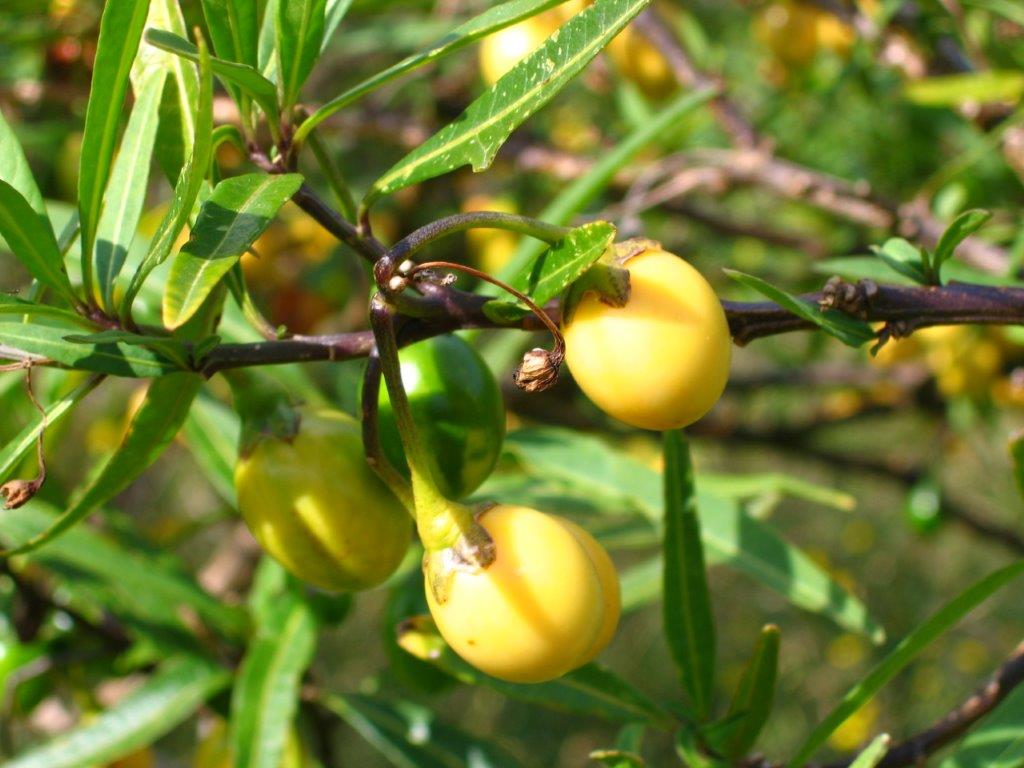
NZ nightshade loved by kukupa
Any work within areas of high biodiversity or landscape value, whether it is planting, fencing or building may require consent.
Contact both Environment Canterbury and the Christchurch City Council Duty Planner.
View Chapter 9 of the Christchurch District Plan(external link)

McLeans Island, Rodney Chambers inspects the threatened Olearia adenocarpa protected from grazing. Photo: Brenda Greene
A booklet looking at a small selection of the plants found in Canterbury and how Māori traditionally use them.
Nga Taonga O Nga Iwi - Treasured Plants of the People [PDF, 16 MB].
Māori respect for the natural world and the importance of place and of native plants in their lives is reflected in many
- waiata (songs),
- whiti (poems),
- korero tipuna (traditional tales), and
- pepeha (proverbs).
This resource is primarily designed for intermediate and secondary students.
All Canterbury schools have been sent a copy of the booklet.
The Parks Unit have a range of different biodiversity work streams, many of which involve partnerships with community and other groups.
Work in our parks ranges from habitat restoration and pest control to research and monitoring local flora and wildlife.
Volunteer in groups around Christchurch to restore biodiversity.
The list is not complete, so if your organisation would like to be listed here, or if your web details have been updated, please contact us.

Akaroa Harbour:
Photo Brenda Greene
Banks Peninsula
- Banks Peninsula Trust(external link)
- QEII Trust(external link)
- Rod Donald Banks Peninsula Trust(external link)
Port Hills
- Summit Road Society(external link)
- Quail Island Ecological Restoration Trust(external link)
- Port Hills Park Trust Board (external link)
- Orton Bradley Park

Travis Wetland, Emma Williams and endangered bittern Botaurus stellaris, one of 20 in Christchurch: Photo Brenda Greene
Christchurch city
- Avon-Heathcote Estuary Ihutai Trust(external link)
- Ōpāwaho Heathcote River Network(external link)
- Travis Wetland Nature Heritage Park(external link)
- Avon Ōtākaro Network(external link)
- Christchurch 360 Trail(external link)
Waterways
- Styx Living Laboratory
- NZ Freshwater Sciences Society(external link)
- Fish and Game NZ(external link)
Coast
Wetlands

Scaup, New Zealand’s only diving duck: Photo Brenda Greene
Pest plants
Native plants
- Canterbury Horticultural Society(external link)
- New Zealand Plant Conservation Network(external link)
- NZ Alpine Garden Society(external link)
- Te Ara Kakariki Greenway Canterbury Trust(external link)
Birds

Iridescent plumage, kukupa, kereru or native pigeon Hemiphaga novaeseelandiae: Photo Terry Greene
Native species
Restoration
- NZ Native Forest Restoration Trust(external link)
- Royal Forest and Bird Protection Society(external link)