
Grow and enjoy delicious fruit, crisp vegetables and tasty herbs in our edible garden city.
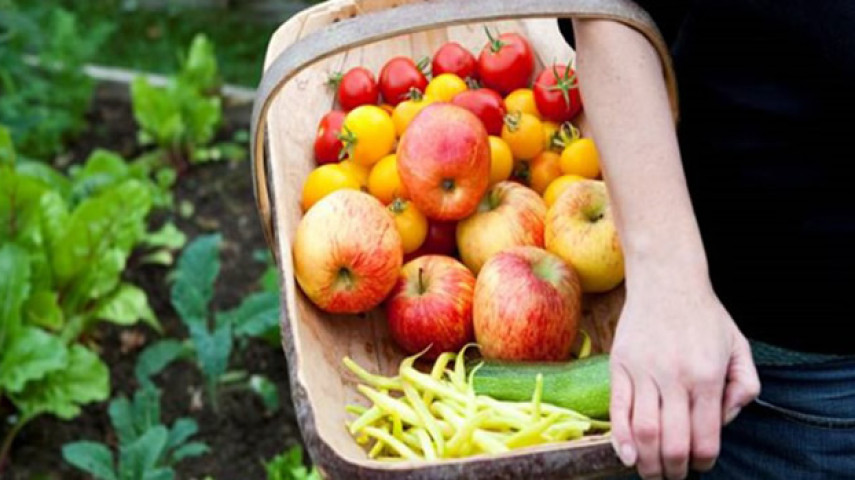
 Growing food at home is a great way to eat healthy, save money and doesn’t have to take much time or space.
Benefits of growing food at home:
- Enjoy fresh and delicious herbs, tree-ripened fruit and crisp vegetables.
- Grow fantastic varieties not usually found in shops.
- Love your chemical-free home grown organic produce.
- Save time and money on shopping for food.
- Easier to eat a nutritious and healthy diet.
- Enable kids to learn first-hand where their food comes from.
- Growing and picking your own is a fun family activity.
- Take pride in sharing your bounty with family, friends and neighbours.
Things to consider when growing at home:
- Plan your garden to suit your space, soil and sun
- Select varieties you love to eat or that are special, not in supermarkets
- Choose fruit varieties that provide a wide range of harvest times
- Stage vegetable planting to allow you to continually harvest
- Find ways to reduce time watering and weeding, use mulch or automatic irrigators
- Recycling your green waste and food scraps by composting or worm farming
What to plant in Christchurch
Christchurch has a great climate for growing a wide variety of fruits, nuts, herbs and vegetables. The Food Resilience Network have developed guides on what plant varieties are particularly suited to our local growing conditions. These guides contain delicious, nutritious, disease resistant and hardy varieties suited to Canterbury. Many are heritage varieties that perform well and taste great.
- Heritage apples are especially suited to Canterbury [PDF, 629 KB]
- Fruit and nut trees especially suited to Canterbury [PDF, 816 KB]
Useful guides
- Growing food at home (external link)(Nelson City Council Guide)
- Edible Canterbury(external link)
- Love food hate waste(external link)
- One Planet Living NZ(external link)
- Canterbury Horticultural Society(external link)
Learn more about growing at home
- Talk with family, friends and neighbours about growing at home
- Community Gardens(external link) are great places to learn about growing and composting
- Council libraries(external link) have many books on growing and enjoying food
- Garden centres(external link) will be happy to advise about growing edible plants
- Tree Crops Association(external link)(external link) have excellent guides on growing edible trees

People grow and share fresh, healthy food at community gardens throughout Christchurch. Community gardens are great places to meet people, learn new skills and enjoy food.
Support your local gardens
Community gardens need many helpers and resources to support their activities and enable them to provide ongoing benefits to communities. If you would like to support, volunteer or donate contact a community garden near you.
Find a community garden near you
Find your closest community garden(external link).
Create a new community garden
The Council has developed a guide for creating a new community garden [PDF, 192 KB]
Answers to commonly asked questions [PDF, 20 KB] [DOC, 58 KB] about creating a community garden
Key steps to consider:
- Talk with an existing community garden about their journey and operations
- Grow support in your community
- Create a leadership group that can take the project forward
- Establish your vision, purpose and the operating guidelines for the garden
- Choose a suitable location in consultation with the land owner or Council
- Identify resources needed, budgets and funding options
- Identify resources and skills in your community who can help deliver on your shared vision
- Create a suitable not-for-profit legal entity to manage the garden and activities
- Prepare a written proposal to the Council (if using Council land)
- Negotiate and sign a licence to occupy or lease to use the land
- Organise community working days to set up and start growing

Growing and collecting food from public places is fun and a great way to enjoy affordable food.
Food foraging
Food foraging is thriving across our edible garden city. Find and collect fruit, nuts, vegetables and medicinal herbs from public places near you.
Please enjoy nature's bounty, leave some for others, and take care of yourself and the trees when harvesting.
The Council's Smart View(external link) maps fruit and nut trees growing in public places throughout the city.
Edible parks
An Edible Park is Council land, where edible plants are grown, cared for and enjoyed by the community in a way that complements the other uses of the park.
Often fruit or nut trees are dotted around the park, along borders, pathways or in clusters to add diversity and amenities for park users. Plants can be harvested by anyone, but the plants must be cared for over time by the surrounding community.
This is different to a community garden because the land is not formally occupied by a particular community group. It is simply a park that incorporates edible plants in its landscape.
Many parks in Christchurch can become Edible Parks. If you would like to grow and care for edible trees in a Council park near you, contact your local Council community advisor.

Many schools and early childcare centres grow fruit and vegetables with their students. School gardens provide hands on learning and a source of fresh, healthy and affordable food.
Healthy food in schools projects
- Enviroschools Canterbury (external link)
- Garden To Table (external link)
- Orchards in Schools(external link)
- Kids Can – Food For Kids(external link)
Create a learning garden or outdoor edible classroom

Meet artisan food producers, growers, farmers, brewers and bakers at your local weekly farmers market.
Enjoy your local farmers market
- Akaroa Farmers Market(external link), next to 4 Square Supermarket, Saturday 9.30am to 1pm
- Christchurch Farmers Market(external link), Riccarton House, Saturday 9am to 1pm
- Kaiapoi Farmers Market(external link), Morgan Williams Reserve, Charles St, Saturday 10am to midday from May to August and 9am to midday in Summer
- Lincoln Farmers and Craft Market(external link), Gerald Street, Saturday 10am to 1pm
- Lyttelton Farmers Market(external link), London Street, Saturday 10am to 1pm
- Mt Pleasant Farmers Market(external link), 3 McCormacks Bay Road, Saturday 9:30am to 12:30pm.
- New Brighton Seaside Market(external link), 40 New Brighton Mall, Saturday 10am to 2pm
- South Christchurch Farmers Market(external link), Hunter Tce outside South Library, Sunday 9am to midday
- The Riccarton Market(external link), Riccarton Raceway, Sunday, 9am to 2pm
- BHU Organic Market(external link) outside Ivey Hall, Lincoln University Library, December to April, Wednesdays 11.30am to 2pm
If you are aware of other local farmers markets or changes are needed to this information please contact us.

Christchurch aims to be the best edible garden city in the world, where all people have access to healthy, affordable and locally grown food to support healthy and active lifestyles.
Being food resilient supports
- Health and well-being
- Close knit and self-reliant communities
- Lifelong learning
- Thriving local food economy
- Resilient and sustainable food system
- Stewardship of public green spaces
- A beautiful and diverse garden city
Seeding our edible garden city
- Council Food Resilience Policy
- Food Resilience Network Action Plan [PDF, 13 KB]
- Council 2017 Healthy Food Action Plan [PDF, 51 KB]
The Council is also a founding signatory of the Edible Canterbury Charter, which supports a sustainable local food economy.
Related news

New map puts local food on the table
Finding and supporting local food gardens, green grocers, butchers, small local businesses and cooking classes is now easier thanks to a new Local Food System Map launched by the Council.
3 Sep 2026
Over 2200 species observed at City Nature Challenge
The eighth Ōtautahi Christchurch City Nature Challenge took place on the final weekend end of April, with results showing there are still new discoveries being made, and even more remaining undiscovered.
19 May 2026
Christchurch youth to lead local climate action through global fund
Christchurch has been announced as one of 300 cities selected to take part in the Bloomberg Philanthropies Youth Climate Action Fund, a global initiative empowering young people to design and deliver practical climate solutions in their own
1 May 2026