
Get the latest updates on the wastewater treatment plant.
Sign up to the Christchurch Wastewater Treatment Plant newsletter

Last updated: 3 September 2026.
All ponds remain green
The ponds continue to perform well, with monitoring showing positive results. This is especially encouraging as we start the seasonal transition from winter into the warmer months. All ponds remain green on our performance tracker.
Progress continues on permanent solution
The first week of spring has brought plenty of activity to the treatment plant site, with construction of the new activated sludge reactor continuing at pace. Steel installation for the mixing chamber floor has begun, while work continues on the load transfer platform and refurbishment of the existing odour bed on the southern side of the site.
The project's first major concrete pour is currently planned for 10 September (with 14 September as a backup date, if required). To complete this work safely and efficiently, crews will begin work from 4am on the day of the pour. We've been in touch with neighbours of the plant to let them know about this work.
All aerators are now on the ponds
All 13 new horizontal aerators are now installed in the ponds. The focus now shifts to commissioning, which will start soon.
Once commissioning is complete, all aerators are expected to be fully powered and operational by 24 September, further strengthening treatment performance and supporting ongoing pond health.
Community meeting planned for October
We're going to host a community meeting in late October so we can provide a comprehensive update on several key projects and activities.
This will include the latest information on the clarifier project, how the new aerators are performing, progress on construction at the activated sludge plant site, preparations for the upcoming midge season and forecast El Niño conditions. We look forward to sharing these updates and answering any questions from the community.
Planned maintenance for digesters
As part of our ongoing asset renewal and maintenance programme, we'll soon begin a major inspection and maintenance project on Digester 1.
From September 2026, we'll temporarily take Digester 1 out of service so we can empty, clean, inspect and maintain it. This work will allow specialist teams to safely assess the condition of the digester's internal structures and roof, helping ensure the asset continues to operate safely and reliably for years to come.
This type of work is a normal part of operating and maintaining wastewater treatment infrastructure. While the community may notice increased activity at the treatment plant during this period, we have carefully planned the work to support the long-term performance, resilience and safety of the facility.
Digester 1 is one of four low-temperature digesters at the plant. The remaining three digesters have sufficient capacity to continue providing a high level of service to the community while the work is underway.
The digesters are an important part of the process as they have bacteria which break down the sludge to form biosolids.
Taking a digester offline is a gradual process that can take one to two months. During this time, the system cools down and biological activity comes to a stop.
We will then begin the clean-out and inspection phase, which is expected to take several months. The work involves emptying the digester, removing accumulated material, making the structure safe to enter and carrying out detailed inspections of key components.
Once inspections are complete, we'll confirm whether any repair or renewal work is needed to extend the digester's service life and then carry out any required maintenance.
The overall project is expected to take between six months and one year, depending on the scope of any maintenance work identified during the inspection.
This work will help ensure the plant continues to provide reliable wastewater treatment services for our community into the future.
Clarifier repairs starting in September
We're getting prepared to start a major overhaul of Clarifier 4 in September to ensure the wastewater treatment plant continues to operate reliably and efficiently.
Clarifiers play an important role in the treatment process. They use gravity to separate solids and suspended particles from wastewater, producing cleaner water that then flows to the ponds for final treatment before discharge.
The drive mechanism that powers Clarifier 4's rotating arms has reached the end of its service life and requires replacement. Rather than replacing individual components, we're carrying out a full overhaul to improve reliability and reduce the risk of future issues. We'll undertake a similar overhaul of Clarifier 3 in 2027.
To carry out this work, Clarifier 4 will need to be emptied and temporarily taken out of service for around eight weeks.
While this may slightly reduce the treatment plant's capacity during this time, the risk of increased odour is expected to be low. This is because the new aerators in Ponds 2A and 2B will be operating, along with changes to how wastewater flows through the ponds. Together, these improvements will help maintain treatment performance and minimise the potential for odour.
We've also deliberately scheduled this work for September, when the new electrical connection to the aerators is expected to be completed, to further reduce the likelihood of any odour impacts while Clarifier 4 is out of service.
Our team has already installed cutoff walls that make it possible to isolate the treatment plant's clarifiers. This was a key preparatory step for the repair works.
This month, we'll be installing the equipment needed for dewatering ahead of work starting in earnest in September.
Earth bund project underway
Preparatory works are now in their final stages ahead of the extension of the earth bund along the Shortland Street boundary of the plant site. The team is working to have everything in place before a contractor begins construction in September.
The earth bund is being extended to provide a visual barrier between neighbouring residents and the treatment plant. Once construction is complete, the area will be planted with native species to create an attractive landscaped buffer.
We'll continue to share updates as plans are finalised. Before work begins, we'll also be delivering information directly to Shortland Street neighbours with more details about the project and what to expect during construction.
Chemical trial outcome
Following the period of extended odour earlier this year, we were approached by three companies with products intended to help reduce odour.
We carried out a trial to test the effectiveness of each product in mitigating odour and the potential impact of each product on the wastewater treatment process.
The trial concluded that none of the three products trialled are suitable for operational use at the plant.
The trial found:
- No strong or consistent evidence that any of the products reduced odour effectively.
- Some of the observed effects could create additional treatment challenges or regulatory compliance risks.
Based on these findings, we will not be progressing with any of the products trialled.
Community outreach
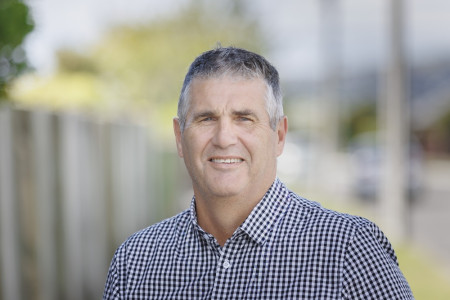
Council staff member Gary Watson is working alongside the local Councillors and Community Board to support good information flow and to look at ways to help make living in the area as positive as it can be while the plant is rebuilt.
If you’d like to get in touch, you can call or text him on 027 239 6317, or email gary.watson@ccc.govt.nz.
What caused the stench
Each year, the wastewater load which arrives over the holiday period varies significantly as industry shuts down for the summer holiday and our population varies. The temporary activated sludge plant, which is a biological process, doesn't manage this variation very well.
This can result in the temporary plant struggling and passing additional load to the ponds; however, usually at this time of year, the ponds are very healthy and are able to pick up the slack.
On top of this, we expected the high levels of rain in January to help flush wastewater through the system and improve pond health; however, this didn't happen, as it appears to have set back the algae growth in the ponds.
While we know the weather and high load are contributing factors, our team is reviewing all data to understand whether other factors also played a role in the current situation.
We’ve always known we're operating the temporary plant with a narrow margin for error, as it has no extra capacity. This makes the system more vulnerable to sudden changes. While the ponds are now showing signs of improvement, much of the recovery depends on natural processes such as algae growth and oxygenation.
Health, wellbeing and support services
We’re sorry for the impact this continues to have on you and your whānau. Please be assured we are doing everything we can to support the system’s recovery and reduce odour where possible.
Medical Officer of Health Dr Cheryl Brunton answers common questions about the odour from the Christchurch Wastewater Treatment Plant’s oxidation ponds and health in the video below.
Here's the latest advice from Dr Imogen Evans, Public Health Medical Specialist for the National Public Health Service:
"Exposure to hydrogen sulphide stench arising from the Christchurch Wastewater Treatment Plant can cause nausea, headaches, eye and throat irritation, skin irritation, sleep disturbance, and worsening asthma symptoms at relatively low concentrations.
"If people exposed to the stench don't experience physical health effects, continued exposure to unpleasant or nasty, noxious stench can still have an adverse effect on people's mental wellbeing.
"While exposure to hydrogen sulphide is unpleasant and may result in health effects, it doesn’t accumulate in the body. Any health effects would be expected to resolve when the odours are brought back to normal levels, and long-term health effects are highly unlikely.
"People experiencing health issues as a result of the stench coming from the treatment plant should seek health advice from their GP, doctor, Hauora or healthcare provider, or call Healthline free on 0800 611 116, anytime 24/7 for advice as soon as possible. In an emergency, call 111."
There are also free services across Ōtautahi Christchurch available to support and enhance overall health and wellbeing. These include:
Health Improvement Practitioners (HIPs)
HIPs are qualified mental health professionals based in General Practices (GPs). They offer free, 15 to 30-minute sessions focused on practical strategies to support mental and physical wellbeing. There is no limit to the number of sessions you can access. You can book directly through your GP.
Pae Ora ki Waitaha Support
Pae Ora ki Waitaha is a free healthy lifestyles service developed with Māori and Pasifika providers. More information is available on their website(external link).
Healthline
Healthline is a free over-the-phone health service available 24 hours a day, seven days a week. If you or someone in your family is unwell, you can call Healthline and speak to experienced nurses and paramedics for health advice and information about what to do next.
Call 0800 611 116.
- More aeration to reduce Wastewater Treatment Plant odour(external link) – 2 April 2026
- Council to consider mitigation options report(external link) – 26 March 2026
- Council investigating mitigation options(external link) – 2 March 2026
- Latest updates on the Wastewater Treatment Plant(external link) – 2 February 2026
- Activated Sludge Reactor contractor appointed(external link) – 20 November 2025
- Midge season approaches as temperatures rise(external link) – 21 October 2025
- Demolition of trickling filters to get underway(external link) – 12 November 2024
- Settlement secures future for treatment plant(external link) – 9 October 2024
- Plan to address Wastewater Treatment Plant odour(external link) – 11 March 2024
-
Update on Wastewater Treatment Plant insurance(external link) – 22 February 2024
- All aerators installed on ponds(external link) – 3 September 2026
- Pond health continues(external link) – 28 August 2026
- Ponds go green!(external link) – 20 August 2026
- Pond health continues to improve(external link) – 13 August 2026
- Clarifier repairs in September(external link) – 8 August 2026
- Load transfer platform construction(external link) – 30 July 2026
- Stage two of aerator project on track(external link) – 23 July 2026
- Final stone columns installed(external link) – 17 July 2026
- Concrete pour this Friday(external link) – 14 July 2026
- Stone column installation almost complete(external link) – 9 July 2026
- Timelapse captures progress(external link) – 2 July 2026
- Aerators operating well(external link) – 25 June 2026
- Hydrogen sulphide monitors offline for calibration(external link) – 19 June 2026
- Aerators are a go(external link) – 17 June 2026
- Aerators in place on ponds(external link) – 11 June 2026
- Join us a a community meeting on 17 June(external link) – 4 June 2026
- Timeline for aerator install(external link) – 28 May 2026
- Construction update(external link) – 21 May 2026
- Aerators up and running mid-June(external link) – 14 May 2026
- Abatement notice cancelled(external link) – 7 May 2026
- April construction timelapse(external link) – 1 May 2026
- Some odour expected(external link) – 28 April 2026
- Aerators arrive on site(external link) – 24 April 2026
- Construction milestones(external link) – 21 April 2026
- Spikes in odour as sludge plant performance dips(external link) – 17 April 2026
- Aerator, sludge reactor and odour spike updates(external link) – 15 April 2026
- An explainer on seasonal changes and odour(external link) – 10 April 2026
- Ponds operating well in winter mode(external link) – 7 April 2026
- More aeration approved to reduce odour(external link) – 2 April 2026
- Odour mitigation options report to be considered on 2 April(external link) – 31 March 2026
- Ponds stable(external link) – 27 March 2026
- Council to consider mitigation options report(external link) – 26 March 2026
- Algae flourishing on ponds(external link) – 24 March 2026
- The latest on the long-term fix(external link) – 20 March 2026
- We responded to Environment Canterbury's abatement notice(external link) – 17 March 2026
- Sunny conditions support pond health(external link) – 13 March 2026
- Pond condition stable(external link) – 10 March 2026
- Pond improvement slow and steady(external link) – 6 March 2026
- Spikes in odour possible(external link) – 4 March 2026
- New mitigation method being explored(external link) – 2 March 2026
- Abatement notice received(external link) – 27 February 2026
- Ongoing odour expected(external link) – 26 February 2026
- Weekend odour spikes(external link) – 23 February 2026
- The latest on plant odour(external link) – 19 February 2026
- Wet weather update(external link) – 18 February 2026
- Positive signs over weekend(external link) – 16 February 2026
- Odour status changes(external link) – 13 February 2026
- Pond management plan being developed(external link) – 12 February 2026
- Neighbourhood visits update(external link) – 11 February 2026
- Pond conditions similar to yesterday(external link) – 10 February 2026
- Aerator installed and tested(external link) – 9 February 2026
- Waitangi Day weekend update(external link) – 7 February 2026
- Working through the long weekend(external link) – 5 February 2026
- More signs of recovery(external link) – 4 February 2026
- Signs of pond improvement(external link) – 3 February 2026
- Residents meeting details(external link) – 2 February 2026
- Ponds showing signs of improvement(external link) – 2 February 2026
- Weekend update(external link) – 1 February 2026
- The latest on the odour and what we're doing(external link) – 30 January 2026
- What we're doing to monitor and respond to odour(external link) – 29 January 2026
- Odour increasing(external link) – 28 January 2026
- What we're doing to address odour(external link) – 7 January 2026
- An overview of what's happening at the plant(external link) – 12 December 2025
- Join us for a community meeting(external link) – 1 December 2025
- Seasonal conditions lead to odour and midge increase(external link) – 28 November 2025
- Contractor appointed for Activated Sludge Plant(external link) – 20 November 2025
- Midge season approaches(external link) – 14 October 2025
- Activated Sludge Reactor design finalised(external link) – 11 September 2025
- Clarifier trial underway(external link) – 25 August 2025
- Maintenance work gets underway(external link) – 8 July 2025
- New odour monitor installed on Shortland Street(external link) – 3 July 2025
- Potential odour issue this weekend(external link) – 13 June 2025
- Odour as ponds transition to winter mode(external link) – 26 May 2025
- Trickling filter demolition time-lapse(external link) – 17 April 2025
- Transition to winter mode may cause odour(external link) – 11 April 2025
- Second clarifier repair on schedule(external link) – 26 March 2025
- Clarifier leak repair complete ahead of schedule(external link) – 14 March 2025
- Work to repair clarifier leak starting(external link) – 28 February 2025
- Increase in odour possible(external link) – 14 February 2025
- Midge numbers remain high(external link) – 24 January 2025
- Midge numbers up at oxidation ponds(external link) – 10 January 2025
Timeline of key events and decisions
November 2021
- On 1 November 2021, emergency services respond to a fire at the Wastewater Treatment Plant in Bromley. Both of the trickling roof filters collapse. The damage couldn't be assessed properly until the fire was completely out.
- On 4 November, the Council installed a sprinkler system to remove hot spots and help reduce the smell. We also begin working on an adaptive management plan to figure out the best possible outcome for the discharge of wastewater from the plant.
- On 26 November, the fire is officially completely extinguished by the fire service. The Council identifies the need to remove the two trickling filters. Both filters store 13,000 cubic metres of material.
- The Council started using misters and polyaluminium chloride - an odourless powder that dissolves in water - to help suppress the smell. Polydosing also settles more of the suspended solids in the wastewater, improving the water quality as it progresses through the plants.
- Hydrogen peroxide - a compound that naturally breaks down into water and oxygen – starts to be added to the wastewater before it’s discharged into the oxidation ponds.
December 2021
- On 6 December, the Council completed a successful trial to remove a section of the fire-damaged media from the plant. This means the Council could begin assessing the stability of the structures.
- On 17 December, Council staff planned to convert two of the plant’s four clarifier tanks (or secondary contact) into aeration tanks. Installing four aerators in each of the two tanks will help decrease the bad smells and improve the quality of the wastewater being discharged. The Council anticipated that it would be years before the trickling filters could be replaced or rebuilt.
February 2022
- On 14 February, aeration components begin to arrive to implement the interim plan to minimise odours from the fire-damaged plant.
March 2022
- On 16 March, eight aerators are installed in two of the plant’s four clarifiers.
- Soon afterwards, increased odours from the trickling filters are detected after wet weather. It's determined that the acute stench is caused by the material inside the trickling filters rotting and drying out.
April 2022
- On 6 April, the aerators installed in March are turned on.
- On 12 April, the Council decided to fast-track the appointment of a contractor to remove the burnt filter material.
May 2022
- Filter media removal work starts.
- On 6 May, independent testing to better understand the odours from around the fire-damaged plant detects small amounts of hydrogen sulphide and methyl mercaptan.
- On 26 May, the Council confirms a community support package for 3,380 of the most affected residents.
June 2022
- Southern Demolition and Salvage Limited conducted a test run, removing and transporting the burnt trickling filter material on Friday 3 and Saturday 4 June.
- Work to remove the trickling filter began on 6 June.
July 2022
- The new activated sludge treatment process becomes fully operational at the plant.
- This new system pumps wastewater from the converted aeration basins to the clarifiers, which greatly improves the quality of the wastewater.
August 2022
- Trickling filters are emptied one month ahead of schedule.
September 2022
- Odours from the oxidation ponds are expected to reduce from September, although it is expected that some odours will remain for most of the month. These will progressively reduce as the pond's health improves.
April 2023
- A project to increase the biological health of Pond 1 is completed after 16 aerators are installed and turned on, churning more than 300kg of oxygen into the pond every hour.
- In the long term, these aerators will ensure the entire pond continues to stay healthy and function well.
May 2023
- The disc aerators on Pond 1 failed and were in the process of getting repaired.
Late 2023
- Fencing around oxidation ponds was installed to improve safety and reduce rubbish entering ponds. Subsequent minor changes were made to deter birds and improve effectiveness.
- Insurance negotiations were continuing.
- In November, a report on the insurance claim for the November 2021 fire was provided to the Council.
- In December, aerators on Oxidation Pond 1 restarted to minimise odours.
March 2024
- A report on the insurance process and odour mitigation efforts was provided to the Council.
- Odour mitigation plan released.
- Odour mitigation work is underway. Various actions taken to improve plant performance and reduce odour.
- A new interactive map was created showing odour mitigation work.
April 2024
- Ponds switched to winter operation mode. Adjustments made to our operations to reduce odours when the biology changes as weather cools.
May 2024
- The Mayor and councillors approved a grant of $130,000 to resource a project with the goal of strengthening and sustaining effective and respectful relationships with Eastern Communities.
- Completed work to cover inlet chambers to contain odour.
- Completed replacement of the bio-bed material in the odour control system. Old material reused as soil conditioner for native planting areas.
October 2024
- Christchurch City Council and its insurers have agreed on a settlement in relation to the fire-damaged trickling filters at the Christchurch Wastewater Treatment Plant.
- The Council also approved the replacement of the trickling filters with an activated sludge reactor.
- This significant milestone allows us to move forward with building a resilient and more environmentally friendly wastewater treatment plant for our growing city.
- Replacing the trickling filters with an activated sludge reactor will give the Council the opportunity to significantly reduce greenhouse gas emissions. Additionally, activated sludge reactors can deliver better environmental outcomes and have a smaller footprint that can be cost-effectively upsized to accommodate the needs of our growing population.
- Design work is underway and it’s expected to take up to three years to complete the design and construction of the new activated sludge reactors.
November 2024
- Demolition of the Christchurch Wastewater Treatment Plant’s fire-damaged trickling filters started.
- Southern Demolition is doing the work, which is expected to take four to five months to complete.
- The demolition is the first stage of physical work to replace the filters with an activated sludge reactor, which will fix long-standing odour issues.
April 2025
- Demolition of the trickling filters was completed making way for construction to begin on the the new activated sludge reactor later this year.
February 2026
- The bulk earthwork started. This will be completed in four stages and is expected to finish around early April 2026 .
April 2026
- The installation of approximately 1400 stone columns will begin. This will take approximately four months to complete.
- Installation of the reactor discharge pipe and the Returned Activated Sludge (RAS) line to commence. This is expected to be completed in late October.
June 2026
- Work to install an engineered gravel platform will begin.
August 2026
- The engineered gravel platform work is expected to be completed.
- Construction of the concrete structure for the new reactor will begin. This is a major part of the project and will take around one year to complete.
October 2026
- Installation of the reactor discharge pipe and the Returned Activated Sludge (RAS) line expected to be completed.
- The process to install the supply pipes from the existing pump station to the new plant will begin. Due to the pipes’ depth, sheet piling will be required for all underground pipes. This will be completed around March 2027.
2027
- Construction of the blower hall will commence. This will house the blowers and electrical room. It will be constructed with precast concrete panels. This will take around four months to complete.
- The installation of the supply pipes from the existing pump station to the new plant will finish up around March.
- The blower hall is expected to be completed around April.
- Installation of all the equipment and pipes required to operate the new plant will commence. This will start with the blower hall fit-out and then move on to the reactor.
- Pumps and pipework in the existing pump station will be replaced to accommodate the new plant.
- Construction of the concrete structure for the new reactor is expected to be completed around August 2027.
2028
- Commissioning the new plant and replacing the remaining two pumps in the pump station will begin. This will enable us to shut down the existing temporary activated sludge plant and prepare to return the two clarifiers to their original purpose.
- Removing the temporary plant and making any repairs to the clarifiers and other equipment to return them to normal duty.
- The entire project is expected to be completed in late 2028.
November 2021
- On 1 November 2021, emergency services respond to a fire at the Wastewater Treatment Plant in Bromley. Both of the trickling roof filters collapse. The damage couldn't be assessed properly until the fire was completely out.
- On 4 November, the Council installed a sprinkler system to remove hot spots and help reduce the smell. We also begin working on an adaptive management plan to figure out the best possible outcome for the discharge of wastewater from the plant.
- On 26 November, the fire is officially completely extinguished by the fire service. The Council identifies the need to remove the two trickling filters. Both filters store 13,000 cubic metres of material.
- The Council started using misters and polyaluminium chloride - an odourless powder that dissolves in water - to help suppress the smell. Polydosing also settles more of the suspended solids in the wastewater, improving the water quality as it progresses through the plants.
- Hydrogen peroxide - a compound that naturally breaks down into water and oxygen – starts to be added to the wastewater before it’s discharged into the oxidation ponds.
December 2021
- On 6 December, the Council completed a successful trial to remove a section of the fire-damaged media from the plant. This means the Council could begin assessing the stability of the structures.
- On 17 December, Council staff planned to convert two of the plant’s four clarifier tanks (or secondary contact) into aeration tanks. Installing four aerators in each of the two tanks will help decrease the bad smells and improve the quality of the wastewater being discharged. The Council anticipated that it would be years before the trickling filters could be replaced or rebuilt.
February 2022
- On 14 February, aeration components begin to arrive to implement the interim plan to minimise odours from the fire-damaged plant.
March 2022
- On 16 March, eight aerators are installed in two of the plant’s four clarifiers.
- Soon afterwards, increased odours from the trickling filters are detected after wet weather. It's determined that the acute stench is caused by the material inside the trickling filters rotting and drying out.
April 2022
- On 6 April, the aerators installed in March are turned on.
- On 12 April, the Council decided to fast-track the appointment of a contractor to remove the burnt filter material.
May 2022
- Filter media removal work starts.
- On 6 May, independent testing to better understand the odours from around the fire-damaged plant detects small amounts of hydrogen sulphide and methyl mercaptan.
- On 26 May, the Council confirms a community support package for 3,380 of the most affected residents.
June 2022
- Southern Demolition and Salvage Limited conducted a test run, removing and transporting the burnt trickling filter material on Friday 3 and Saturday 4 June.
- Work to remove the trickling filter began on 6 June.
July 2022
- The new activated sludge treatment process becomes fully operational at the plant.
- This new system pumps wastewater from the converted aeration basins to the clarifiers, which greatly improves the quality of the wastewater.
August 2022
- Trickling filters are emptied one month ahead of schedule.
September 2022
- Odours from the oxidation ponds are expected to reduce from September, although it is expected that some odours will remain for most of the month. These will progressively reduce as the pond's health improves.
April 2023
- A project to increase the biological health of Pond 1 is completed after 16 aerators are installed and turned on, churning more than 300kg of oxygen into the pond every hour.
- In the long term, these aerators will ensure the entire pond continues to stay healthy and function well.
May 2023
- The disc aerators on Pond 1 failed and were in the process of getting repaired.
Late 2023
- Fencing around oxidation ponds was installed to improve safety and reduce rubbish entering ponds. Subsequent minor changes were made to deter birds and improve effectiveness.
- Insurance negotiations were continuing.
- In November, a report on the insurance claim for the November 2021 fire was provided to the Council.
- In December, aerators on Oxidation Pond 1 restarted to minimise odours.
March 2024
- A report on the insurance process and odour mitigation efforts was provided to the Council.
- Odour mitigation plan released.
- Odour mitigation work is underway. Various actions taken to improve plant performance and reduce odour.
- A new interactive map was created showing odour mitigation work.
April 2024
- Ponds switched to winter operation mode. Adjustments made to our operations to reduce odours when the biology changes as weather cools.
May 2024
- The Mayor and councillors approved a grant of $130,000 to resource a project with the goal of strengthening and sustaining effective and respectful relationships with Eastern Communities.
- Completed work to cover inlet chambers to contain odour.
- Completed replacement of the bio-bed material in the odour control system. Old material reused as soil conditioner for native planting areas.
October 2024
- Christchurch City Council and its insurers have agreed on a settlement in relation to the fire-damaged trickling filters at the Christchurch Wastewater Treatment Plant.
- The Council also approved the replacement of the trickling filters with an activated sludge reactor.
- This significant milestone allows us to move forward with building a resilient and more environmentally friendly wastewater treatment plant for our growing city.
- Replacing the trickling filters with an activated sludge reactor will give the Council the opportunity to significantly reduce greenhouse gas emissions. Additionally, activated sludge reactors can deliver better environmental outcomes and have a smaller footprint that can be cost-effectively upsized to accommodate the needs of our growing population.
- Design work is underway and it’s expected to take up to three years to complete the design and construction of the new activated sludge reactors.
November 2024
- Demolition of the Christchurch Wastewater Treatment Plant’s fire-damaged trickling filters started.
- Southern Demolition is doing the work, which is expected to take four to five months to complete.
- The demolition is the first stage of physical work to replace the filters with an activated sludge reactor, which will fix long-standing odour issues.
April 2025
- Demolition of the trickling filters was completed making way for construction to begin on the the new activated sludge reactor later this year.
February 2026
- The bulk earthwork started. This will be completed in four stages and is expected to finish around early April 2026 .
April 2026
- The installation of approximately 1400 stone columns will begin. This will take approximately four months to complete.
- Installation of the reactor discharge pipe and the Returned Activated Sludge (RAS) line to commence. This is expected to be completed in late October.
June 2026
- Work to install an engineered gravel platform will begin.
August 2026
- The engineered gravel platform work is expected to be completed.
- Construction of the concrete structure for the new reactor will begin. This is a major part of the project and will take around one year to complete.
October 2026
- Installation of the reactor discharge pipe and the Returned Activated Sludge (RAS) line expected to be completed.
- The process to install the supply pipes from the existing pump station to the new plant will begin. Due to the pipes’ depth, sheet piling will be required for all underground pipes. This will be completed around March 2027.
2027
- Construction of the blower hall will commence. This will house the blowers and electrical room. It will be constructed with precast concrete panels. This will take around four months to complete.
- The installation of the supply pipes from the existing pump station to the new plant will finish up around March.
- The blower hall is expected to be completed around April.
- Installation of all the equipment and pipes required to operate the new plant will commence. This will start with the blower hall fit-out and then move on to the reactor.
- Pumps and pipework in the existing pump station will be replaced to accommodate the new plant.
- Construction of the concrete structure for the new reactor is expected to be completed around August 2027.
2028
- Commissioning the new plant and replacing the remaining two pumps in the pump station will begin. This will enable us to shut down the existing temporary activated sludge plant and prepare to return the two clarifiers to their original purpose.
- Removing the temporary plant and making any repairs to the clarifiers and other equipment to return them to normal duty.
- The entire project is expected to be completed in late 2028.