
Food and garden waste is collected weekly and is processed into certified organic compost. By putting the right stuff in the green bin, you’re making it possible for us to produce locally-made compost and reduce how much is sent to landfill.
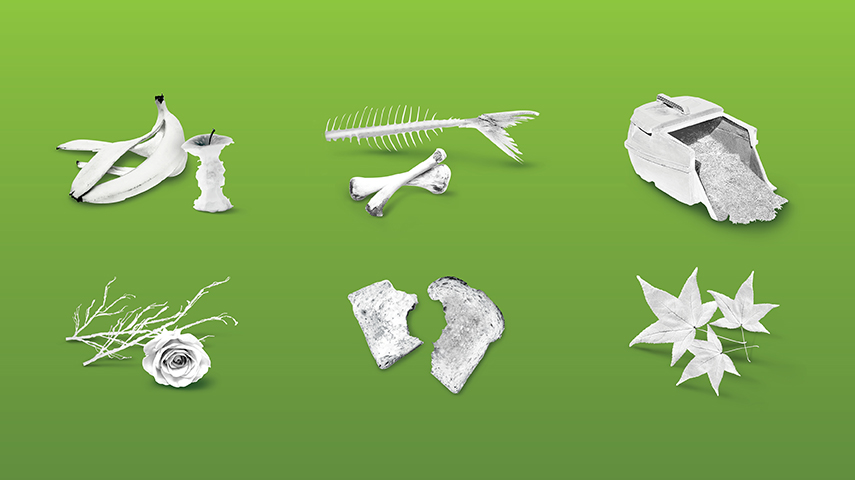
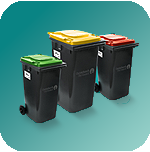




We accept all food waste and most garden waste.
All food waste
- fruit and vegetables
- meat, bones and fish
- bread and pastries
- dairy products
- coffee grinds and loose tea leaves
- shells and shellfish
Liquids can't go in any bin. Cooking oil can be dropped off at one of our EcoDrop Recycling Centres free of charge.
Most garden waste
- cut flowers, pruned branches and leaves
- grass clippings, unless sprayed with a herbicide containing Clopyralid
We can't accept cuttings from flax, cabbage trees, bamboo or soil. Put these in the red bin or dispose of them at an EcoDrop for a fee.
Find out more about food and garden organics collections on the Ministry for the Environment website.(external link)
- cardboard and paper with food on it go in the red bin, including;
- newspaper
- pizza boxes
- fish 'n' chip wrappers
- kitchen paper towels
- paper smaller than an envelope
- shredded paper
- tissues
- tea bags
- plastic bottles and containers number 1, 2 and 5 go in the yellow bin
- all other plastics go in the red bin
- biodegradable or compostable bags, liners and packaging – put them in the red bin
- ash, timber and sawdust. Let ash cool for at least five days before disposing of it in the red bin
- coffee/takeaway cups or lids – put these in the red bin
- small dead animals such as rats and mice can be double-bagged and placed in the red bin.
- larger dead animals such as cats and dogs should not be disposed of in any of the kerbside bins. If you are unsure of appropriate disposal options, please seek advice from your local veterinary clinic
- human or animal waste – put animal waste in the red bin
- rocks, stones, gravel or soil – put them in the red bin
- nappies – put them in the red bin
- insulation, including wool-based products – put them in the red bin
Around 55,000 tonnes of kerbside organic material is processed per year at the Organics Processing Plant in Bromley. This food and garden waste is diverted from landfill, which saves everyone money.
Putting the right items in the green bin helps to produce organic compost. The compost is used on farms around Canterbury and beyond.
You can watch our video(external link) to learn more about what happens to your green bin material once it leaves your gate.
Labelling
There are a lot of products out there labelled as biodegradable and/or compostable. These labels can be super-confusing as they all mean different things. We currently have no national standards for either biodegradability or composability in New Zealand. Without any clear standards, we are not able to accept any of these products in the kerbside green bin.
Organic certification
We produce organic certified compost from the contents of your green bin. This is then used by organic farms to produce food, helping to create a more circular economy. A lot of products that are currently labelled as biodegradable or compostable are not approved as organic so can’t go through our composting plant.
Related news

New ideas for waste in draft plan
Christchurch City Council will include three new proposals for managing waste when it seeks public feedback on its draft Waste Management and Minimisation Plan and two related policies this month.
3 Jul 2026
Landfill remediation programme continues
Sea wall repairs at the former Okains Bay landfill site are planned as part of a wider closed landfill remediation programme.
25 Jun 2026
Waste workshops on offer in different languages
Peri Guan can’t wait to help Chinese people find out more about reducing food waste and saving money – in their own language.
21 May 2026