
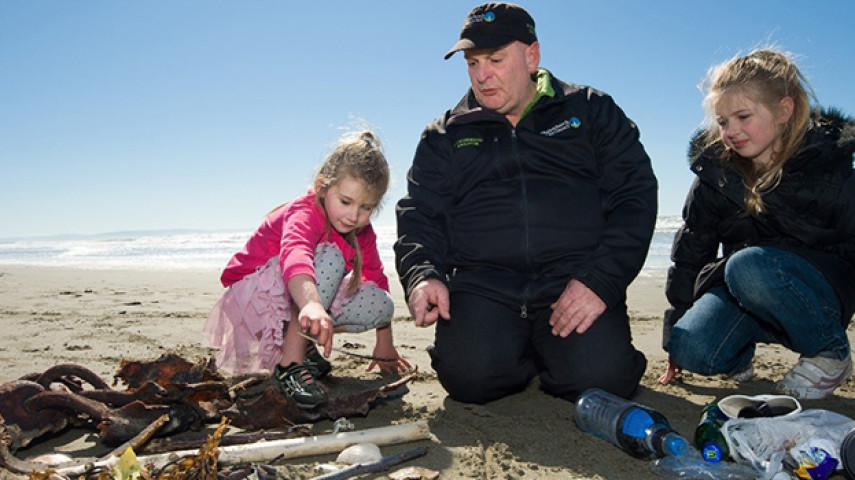
What’s on the beach? What gets washed up and what shouldn’t be there? This is a chance for students to investigate objects on the beach – natural and unnatural – and identify ways that they can contribute to sustainable coastal areas
Book a Learning Through Action school programme
Risk analysis and management information (RAMS) will be sent out once a programme booking is confirmed. If you require this at any other stage please email LTA@ccc.govt.nz or contact us(external link).

| Year level | Years 0 to 4 |
|---|---|
| Curriculum level | Levels 1 to 3 |
| Availability | Year-round (tide dependent) |
| Times | 9:30 to 11:30am or 12:30 to 2:30 |
| Site | Spencer Park Beach, Waimairi Beach, North New Brighton Beach, New Brighton Beach, South Brighton Beach, Sumner Beach |
| Cost | Free |
| Number of students | Maximum of 35 |
| Special requirements | None |
- Sustainability.
- Beach habitats.
- Natural and non-natural items found at the beach.
- Litter and its effect on the environment.
- Personal and social responsibility for action.
- Caring for our beaches.
Students will learn what plants and creatures live in different beach habitats and why these are important ecosystems.
Students participate in a Beach Treasure Hunt to find out what’s on the beach. Analysing their treasures, students classify what they’ve found and discuss where these items have come from; and the effects they may have on the beach environment.
Students identify ways they can contribute to sustainable coastal areas and share their ideas by creating a “message in the sand” to share with other beach-goers.
We are learning to:
- Identify the key reasons why beaches are special places.
- Identify things that would not naturally be on a beach and the problems that these items cause for coastal creatures.
- Name things that live in and around the beach that depend on the environment for their survival.
- Identify an action that we can take to reduce litter at the beach.
Using language, symbols and texts
Students will interpret signs, symbols and text to find out information about different beach creatures.
Thinking
Students will employ critical thinking to make decisions regarding the appropriate place for objects found on our beaches.
Managing self
Students will manage their learning and think and act independently in an outdoor near-water environment.
Participating and contributing
Students will be empowered to become actively involved in making a difference to the community through their learning and action.
Relating to others
Students will work collaboratively and supportively to complete tasks; take turns and support their classmates.
| Curriculum area | Strand and level | Objective |
|---|---|---|
| Science Pūtaiao |
Nature of Science Levels 1 to 3 |
Investigating in science Communicating in science Participating and contributing |
| Living World Levels 1 to 3 |
Life processes Ecology Evolution |
|
| Planet Earth and Beyond Levels 1 to 3 |
Earth systems Interacting systems |
|
| Social Sciences Tikanga ā-Iwi |
Levels 1 and 2 | Social studies |
| Health and Physical Education Hauora |
Healthy Communities and Environments Levels 1 and 2 |
Community resources Rights, responsibilities, and laws People and the environment |
Related news

Recognising guardians of the land
Paul Tamagushiku has protected, nurtured and cared for Christchurch parks for 38 years – earning him the title of the Council’s longest standing ranger.
31 Jul 2026
Ready, set, play! Exploring our city's playgrounds
Get the kids outside these school holidays and check out some of the great playgrounds around the city.
13 Jul 2026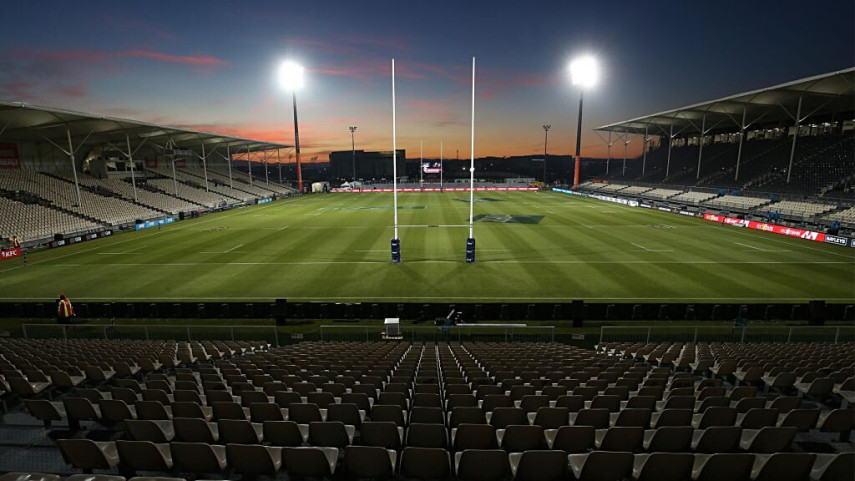
Future of Apollo Projects Stadium site to be decided
With One NZ Stadium up and running, it’s time to decide what to do with the temporary stadium and infrastructure.
8 May 2026